

Ⅰ.the structural composition of the fermenter
Fermenter is usually composed of several key components, each of which plays an indispensable role.
1. Tank: the main part of the fermenter, usually made of stainless steel and other corrosion-resistant materials. The tank is designed to withstand the pressure and temperature of the fermentation process, providing a closed and suitable environment for microorganisms to grow.
2. Stirring system: including motor, reducer, stirring paddle and other components. The stirring system rotates the stirring paddles to circulate the fermentation liquid in the tank to ensure that the nutrients and oxygen are evenly distributed and to promote the growth and metabolism of microorganisms.
3. Ventilation system: pass sterile air into the fermentation solution to provide the oxygen needed by microorganisms and discharge the carbon dioxide produced by metabolism to maintain the gas balance in the tank. Aeration system usually includes air distribution devices and pipelines.
4. Temperature control system: The temperature inside the fermenter is controlled by circulating hot or cold water through devices such as jackets or coils. Temperature is a key factor in microbial growth and metabolism, so the temperature control system needs to be highly accurate and stable.
5. pH control system: monitor and adjust the pH value of the fermentation solution to meet the needs of microbial growth and metabolism. pH control system usually includes pH sensor, controller and dosing device.
6. Anti-foaming system: Eliminate the foam generated during the fermentation process, prevent the foam from overflowing, and maintain the stability of the fermentation process. Anti-foaming system usually includes anti-foaming agent and anti-foaming device.
7. Sampling and discharge ports: used for sampling and testing the fermentation process and discharging fermentation products. These ports are usually designed at appropriate locations in the tank for easy operation and maintenance.
Ⅱ.The working principle of the fermenter
The working principle of the fermenter is mainly based on the growth and metabolic processes of microorganisms. Under suitable conditions, microorganisms use the nutrients in the fermentation broth to grow and multiply, and at the same time produce the required metabolites.
1.Microbial inoculation: Screened and purified microorganisms are inoculated into the fermenter as the starting strain for the fermentation process.
2.Nutrient supply: Adding appropriate amount of nutrients, such as carbon source, nitrogen source, inorganic salt, etc., to the fermenter to provide the energy and material base for the growth of microorganisms.
3.Temperature and pH control: Through the temperature control system and pH control system, the temperature and pH value in the fermenter are adjusted to the best range for the growth and metabolism of microorganisms.
4.Aeration and agitation: Through the aeration system and agitation system, sterile air and oxygen are introduced into the fermentation solution, and the fermentation solution is circulated in the tank to ensure the nutrients and oxygen are evenly distributed.
5.Accumulation of metabolites: During the growth and metabolism of microorganisms, the required metabolites are produced. These metabolites can be detected and analysed through sampling ports to assess the progress and effectiveness of the fermentation process.
6.Fermentation product discharge: When the fermentation process reaches the predetermined target, the fermentation products are discharged through the discharge port for subsequent treatment and processing.
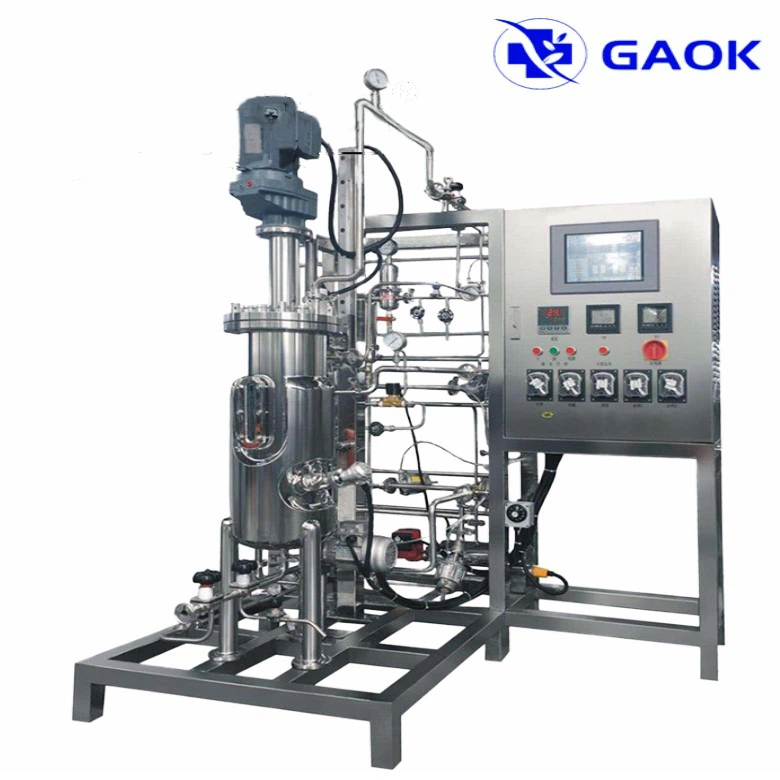
In summary, the fermenter is the core equipment in the biofermentation industry, so its structural composition and working principle are crucial. By gaining an in-depth understanding of the structure and working principle of the fermenter, we can better grasp the control points of the fermentation process and improve production efficiency and product quality. At the same time, this provides strong theoretical support and practical guidance for the optimal design and improvement of fermenters.